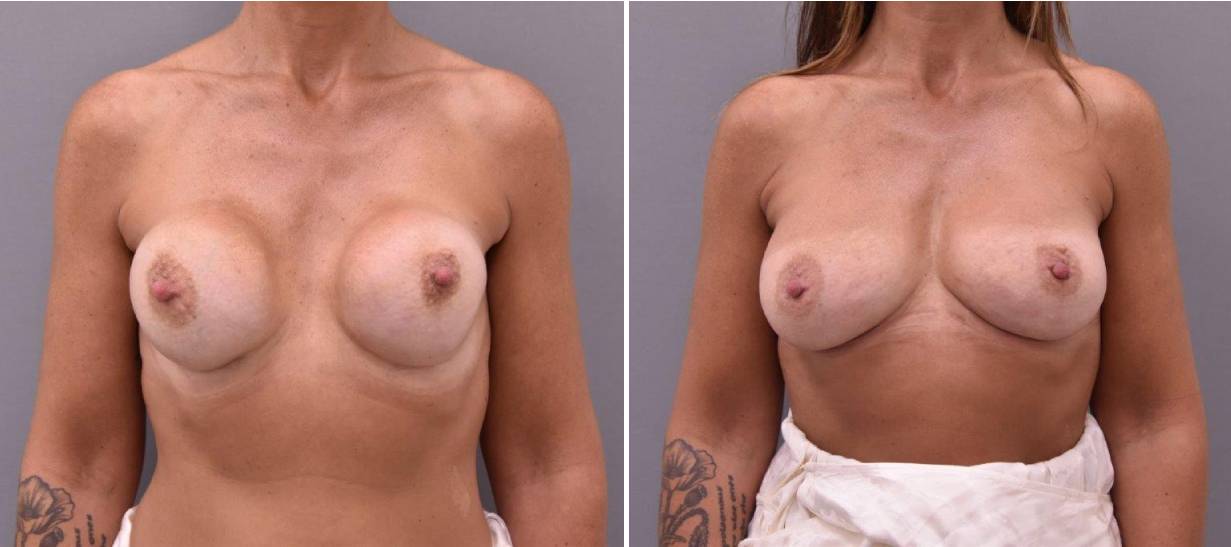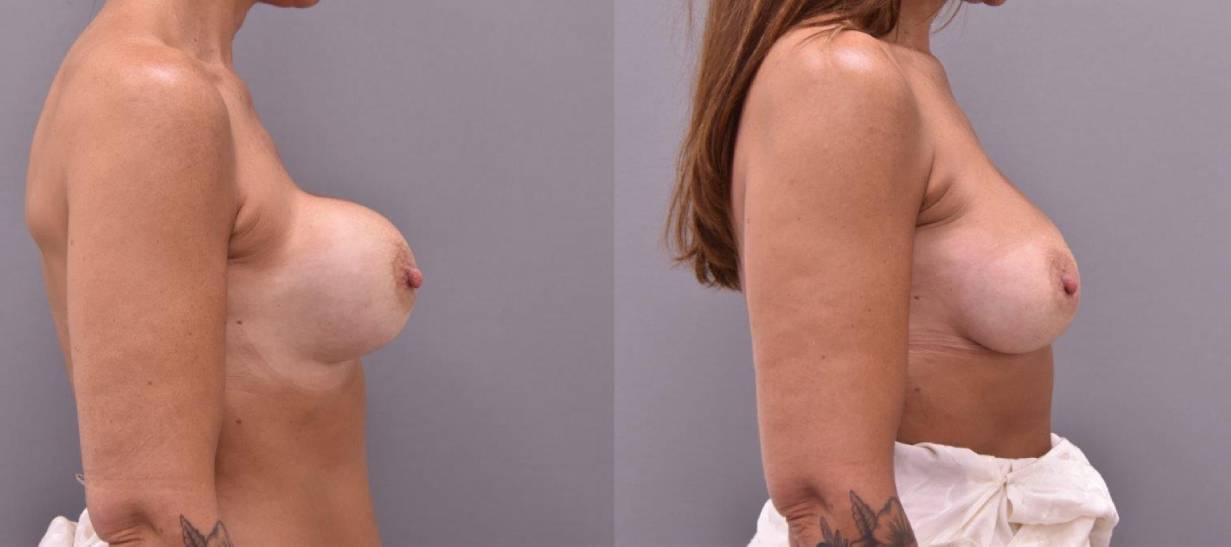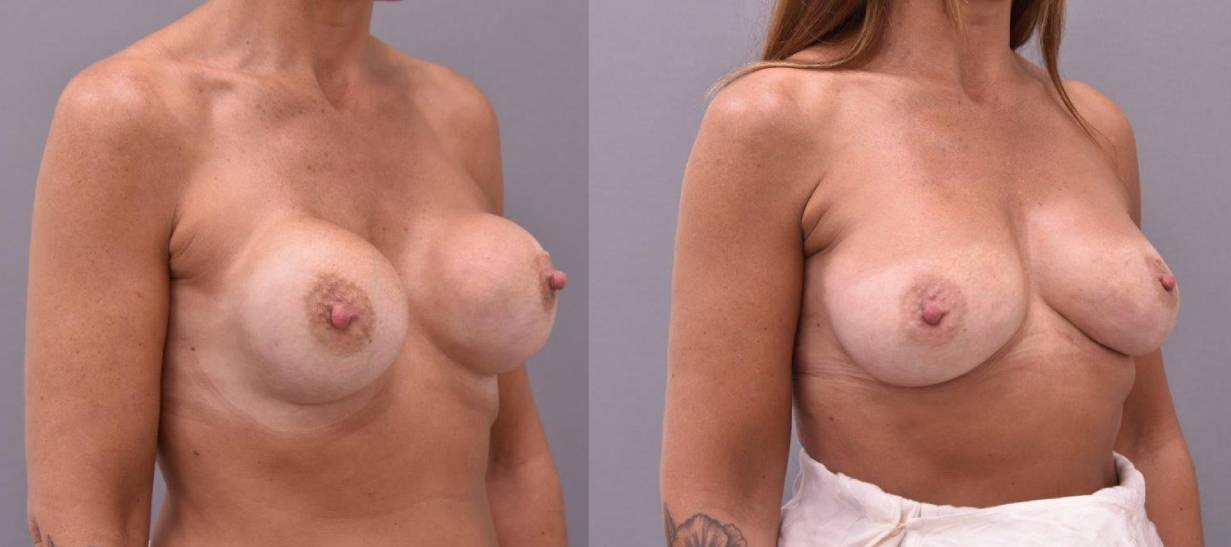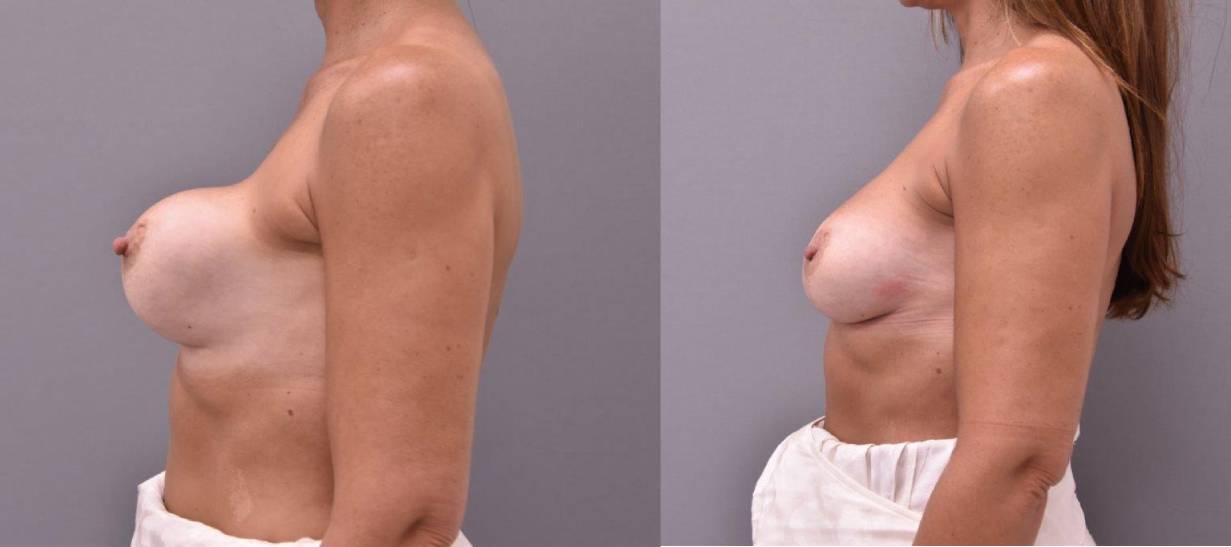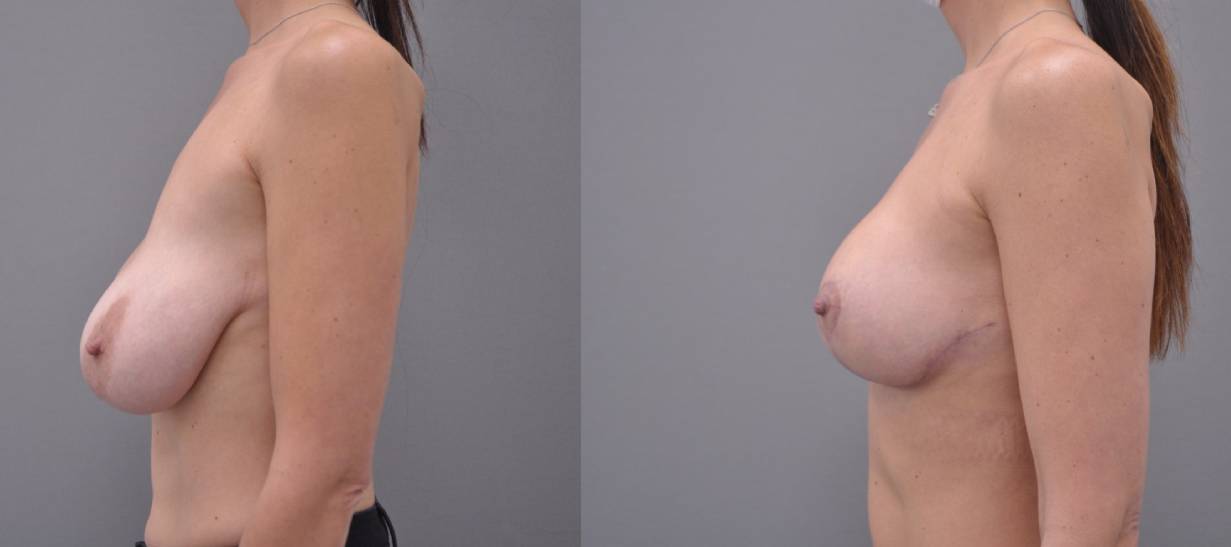
IMPLANT MALPOSITION SURGERY AT PURITY BRIDGE
Breast implant malposition is a complication we are seeing increasingly frequently. It is often associated with certain implant surfaces, combined with other factors. Sometimes these are preventable, but sometimes no obvious explanation can be found for the malposition.
The risk of malposition is further impacted on by the quality and support in the individual patient - depending on their genetics and other factor.
Using an implant that is large and heavy will also exacerbate the risk, especially if the surface of the implant is smooth or minimally textured.
Breast implant malposition is a complication that is often seen in the first few months after surgery, but can gradually happen over time in other situations. There are a number of techniques that can be employed to deal with malposition, and the decision to undergo revision surgery is very much dependent on the symptoms that might be arising, as well as the degree of malposition.
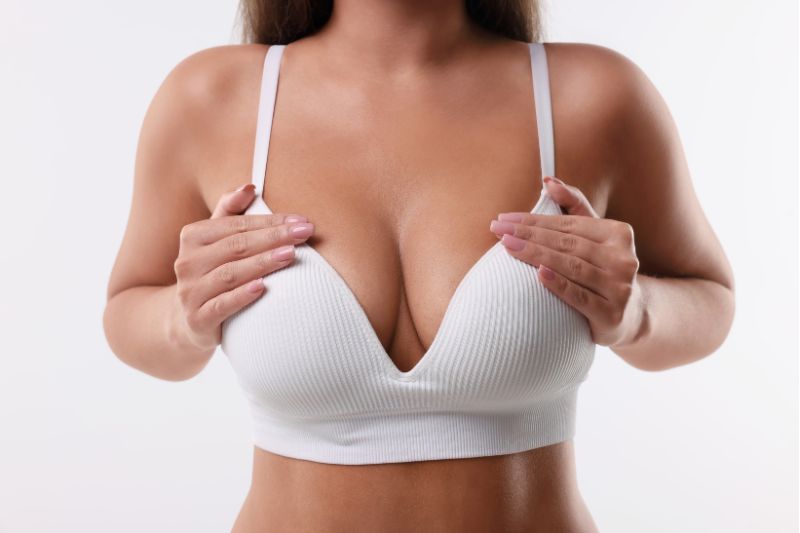

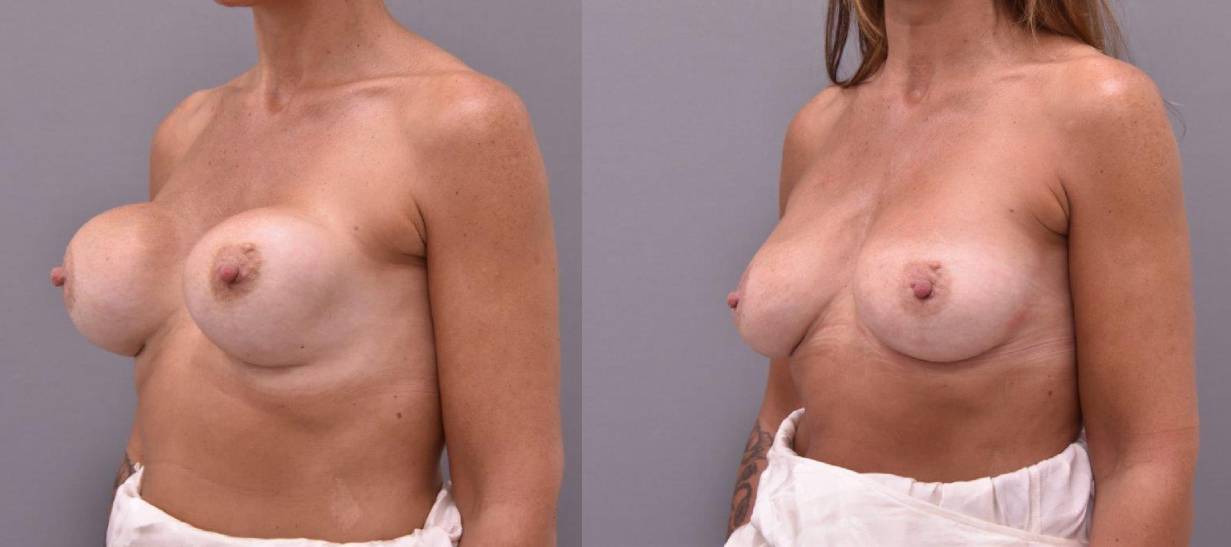
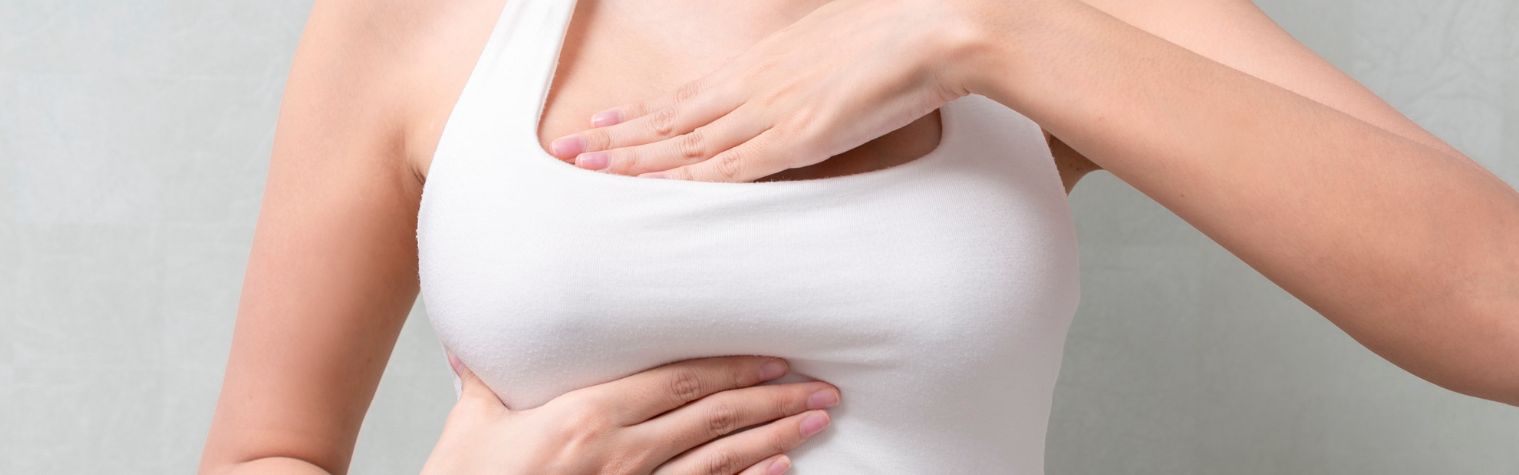
Typical symptoms can include both functional aesthetic issues - functionally, the malposition can cause discomfort. It can result in the inability to comfortably wear bras and the implants can sag and fall down towards the armpits when lying down. Aesthetically the implant can drop low that can result in the nipples appearing to ride very high on the breast (even appearing over the top of the bra) and they can produce marked very variations in breast asymmetry, depending on how the implants are behaving in relation to one another.
The surgical solutions include using internal stitch techniques to try to re-support the implants back into their correct place. Sometimes the same implant is used, but on other occasions it is common to replace the implant with a fresh implant. Techniques may involve using the internal breast implant capsule to support the implant, as well as consideration of synthetic mesh that can be stitched internally to the chest wall and used effectively as a hammock for the support of the implants. Other techniques, including the use of external stitches, known as the haemostatic net, or the BREAST net, can be used to help further support the footprint of the breast.
Consultant Plastic Surgeons Marc Pacifico and Nora Nugent have expertise in dealing with complex secondary breast surgery situations. They frequently see patients with implant malposition and can advise and treat these situations.


With changes in implant technology and newer implant surfaces available we are seeing increasing number of early implant malposition cases, and therefore this website is devoted to help helping and supporting patients who might suffer from this complication and those seeking expertise in dealing with it.
Please get in touch with the team at Purity Bridge in Tunbridge Wells to take the next steps in your corrective breast surgery.
Anaesthetic
GA

Procedure Length
1-3 hrs

Facility Stay
Day Case

Cost
From £6,000-12,000

Downtime
4 to 6 weeks for full restrictions to be lifted

Available in-house at Purity Bridge
Yes
Anaesthetic
GA
Procedure Length
1-3 hrs
Facility Stay
Day Case
Cost
From £6,000-12,000
Downtime
4 to 6 weeks for full restrictions to be lifted
Available in-house at Purity Bridge
Yes
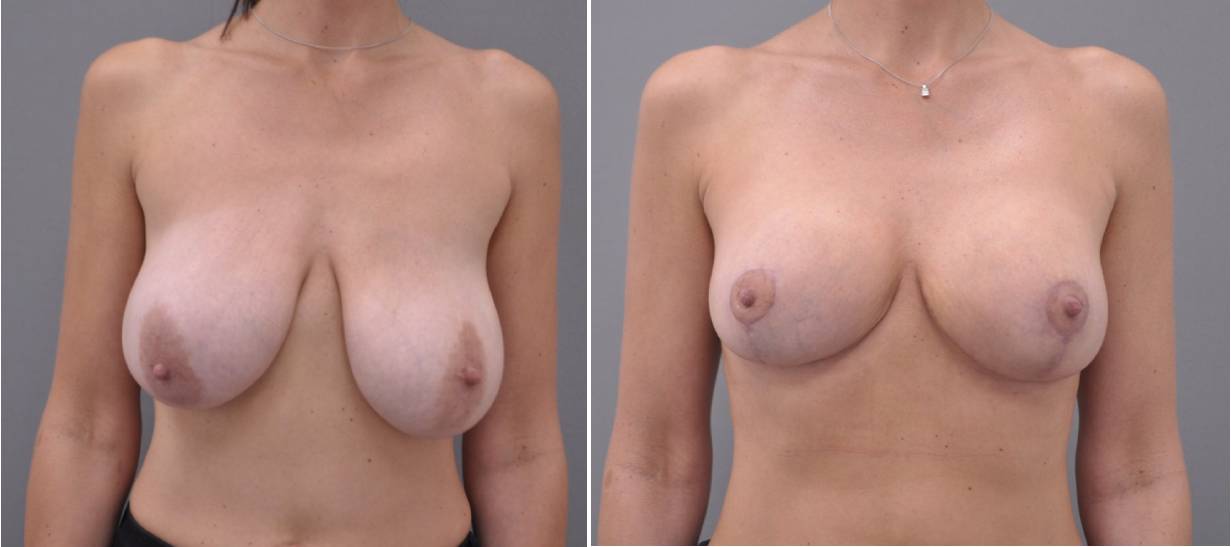
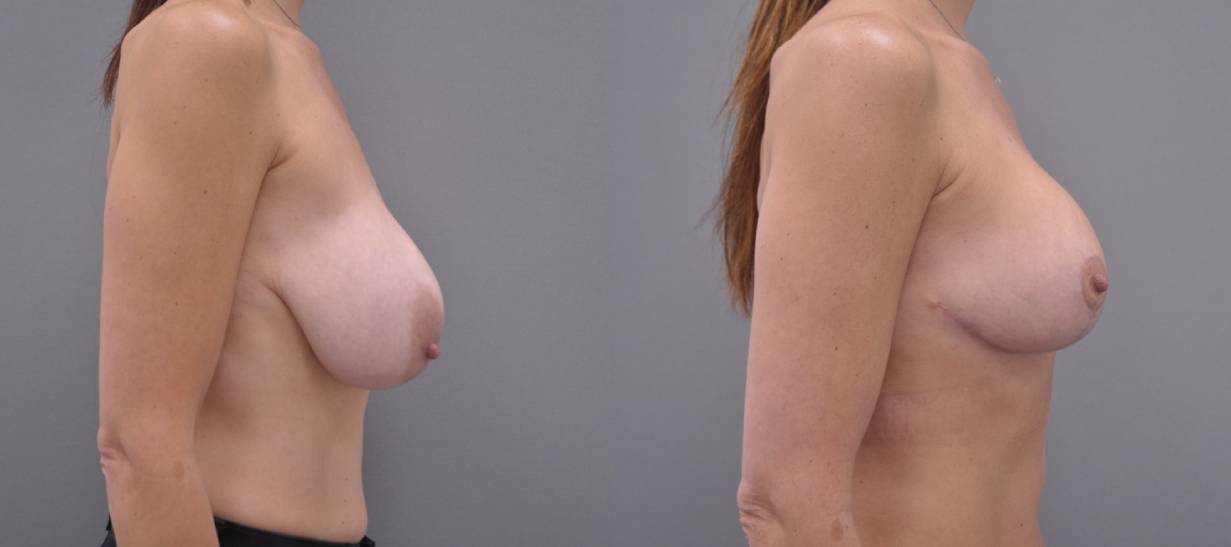
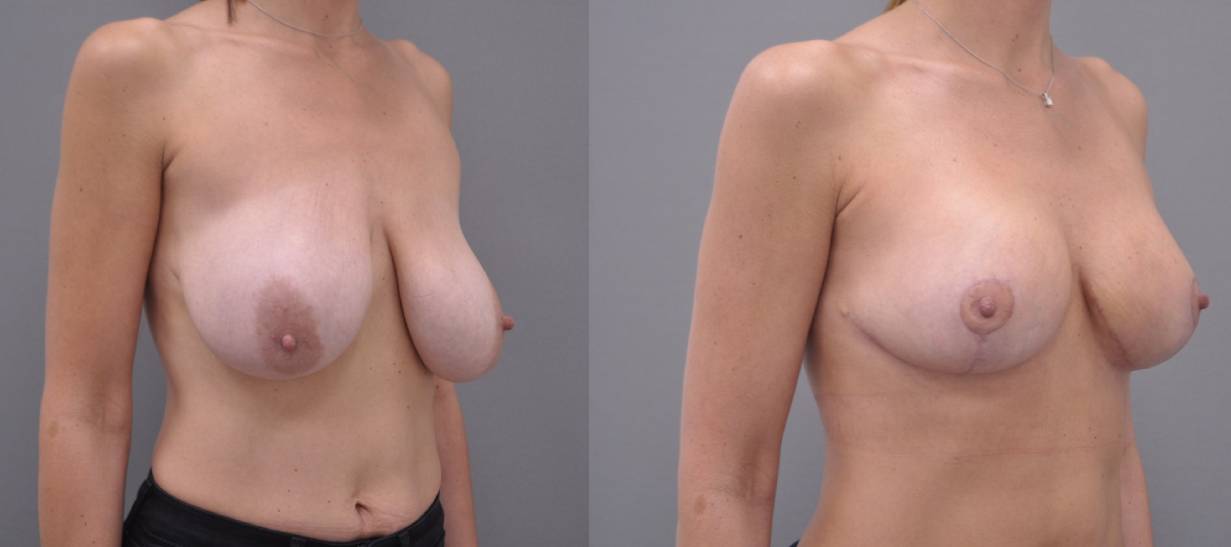
Surgery to correct breast implant malposition can treat the discomfort it may produce, as well as correcting the implant position so bras can be worn normally. The aesthetics of the breast are usually disrupted if the implant is not in the right position so the surgery will also improve breast aesthetics
Normally you would not be able to resume sporting activity or heavy lifting for 6-weeks after the surgery, to allow the internal wound healing to take place. The first two weeks are the most important to take it gently, with a gradual build up in activity between weeks 2 and 6.
Breast implant malposition surgery is normally successful, if appropriate measures are taken, These might include using the capsule around the implant to help support the position of the implant, the use of internal meshes, the use of further internal and sometimes external sutures, and, when appropriate, a change to a different type of implant.